
Cambodian food is indicative of a country with expansive rice fields, a plethora of fruit trees, and shores bursting with fish. There are delicious soups with shrimp, coconut-based waffles, and curried chicken. Fresh fish caught straight from rivers and oceans are in the market day of catch. On occasion, fish is biked to your front door by a local fisherman, looking to sell.
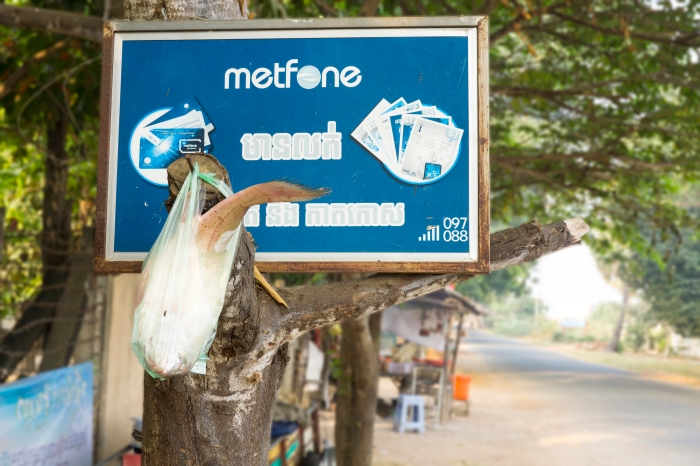
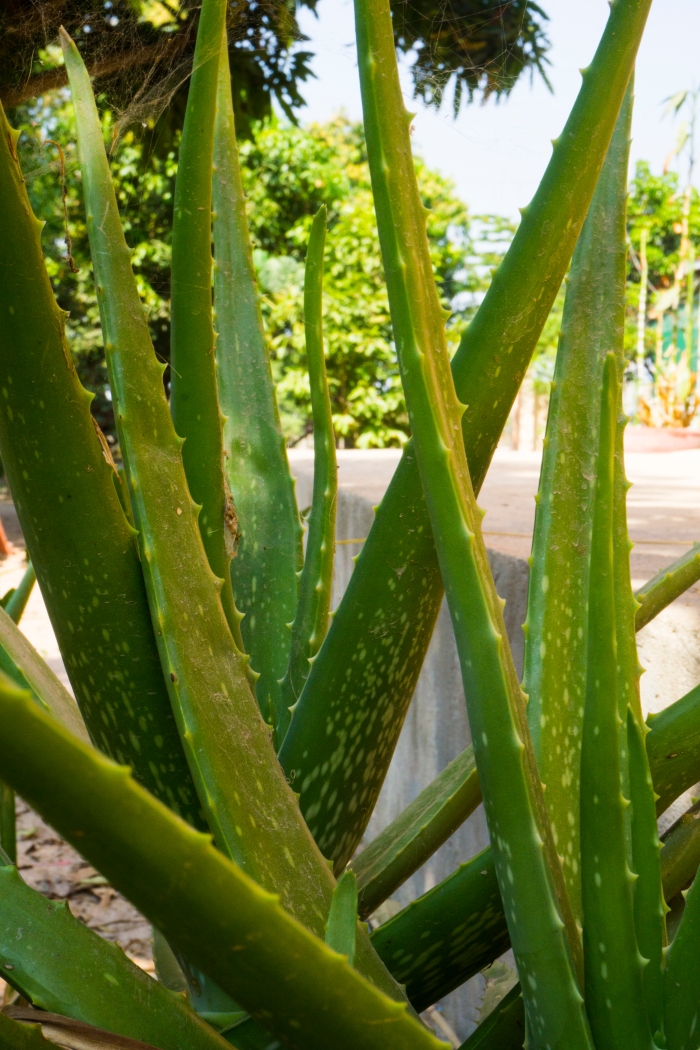
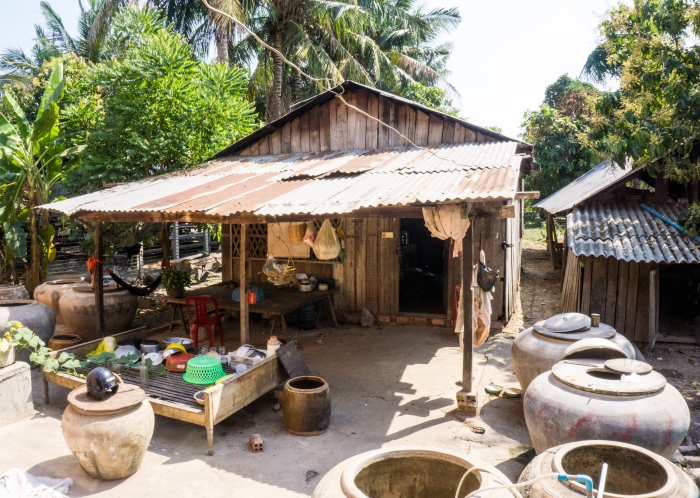
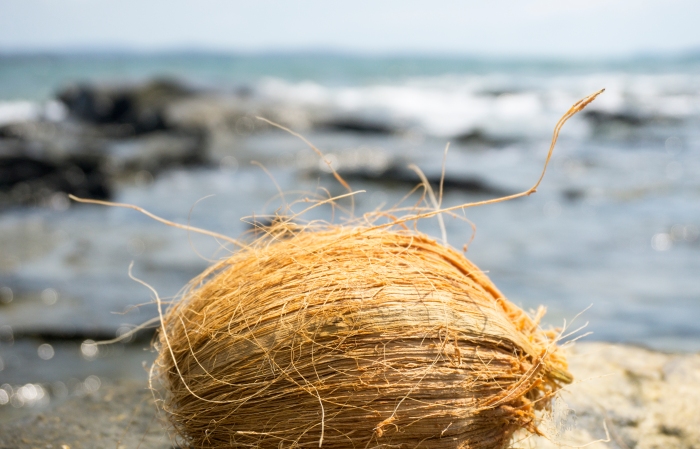
I am in Longvek, a small town north of Phnom Penh that was once the capital of Cambodia after the downfall of Angkor in 1431. As I walk in the back yard of the home my friend grew up in, her family points out mango trees, aloe plants, and coconut trees. When ripe, the family walks up to the tree and snatches a mango to slice up.
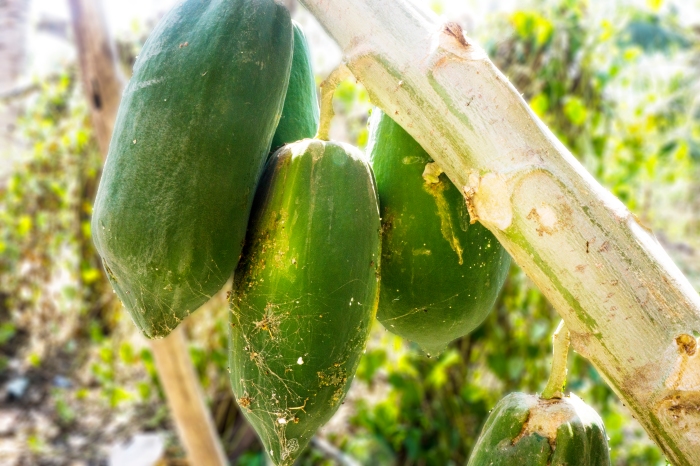
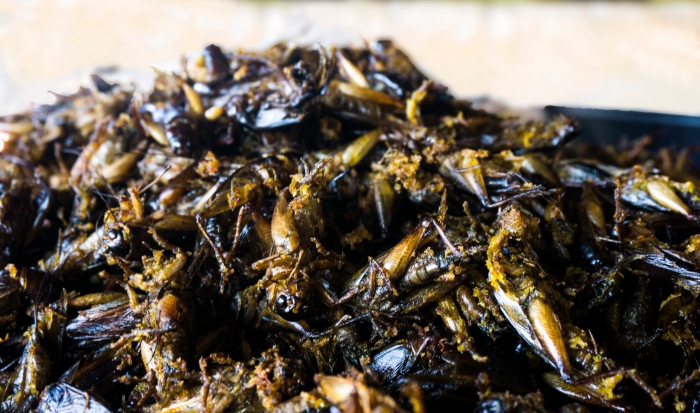
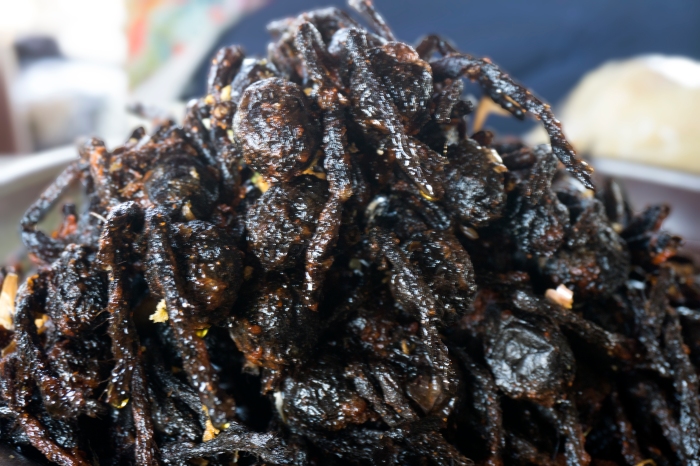
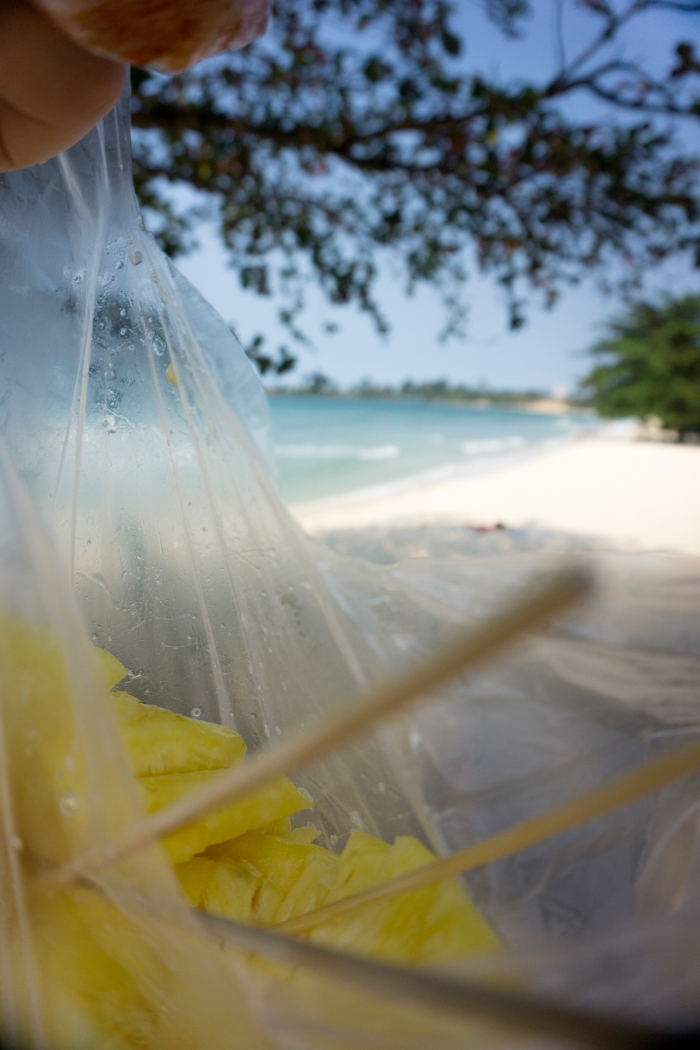
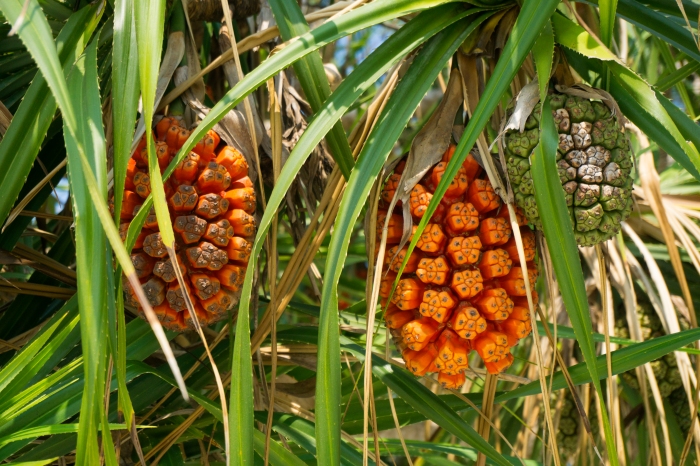
En route to other areas of the country, I am greeted by many food possibilities. There is freshly cut pineapple and grapefruit. I find spiked fruit, whose taste resembles a plum. Bus stops have stalls selling fried grasshopper and tarantula.
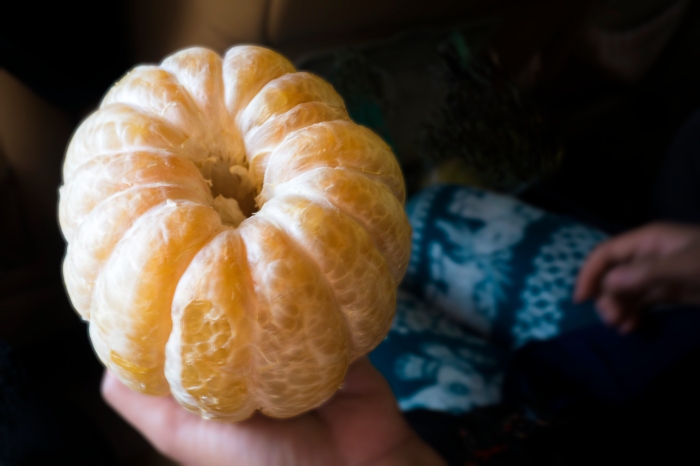
On another occasion, I get on a boat departing from Phnom Penh and travel to an island in the Mekong river. Unaware that the party I am attending consists of an entire day of cooking, I think the meal is done after the first course. To my surprise, at the end of the day, I find my belly full of meals five times over. There was an appetizer, first wave of lunch, second wave of lunch, beer, several servings of fruit, another lunch, and finally dinner. But wait; there’s still dessert! Next a whole fish is on my plate!
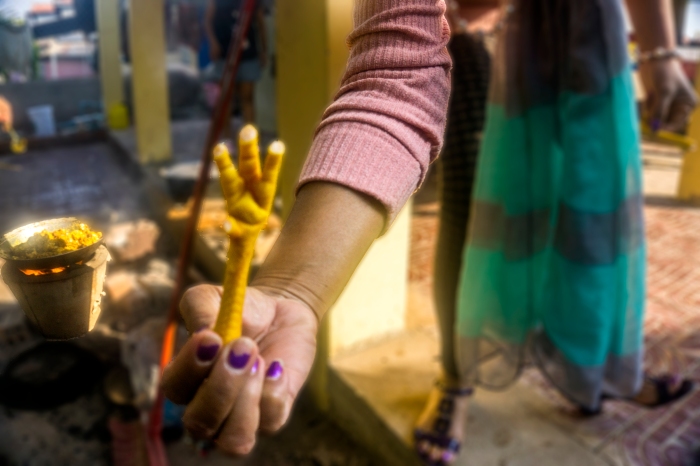
We laugh and joke about how full I am, and someone taunts me with a chicken foot.
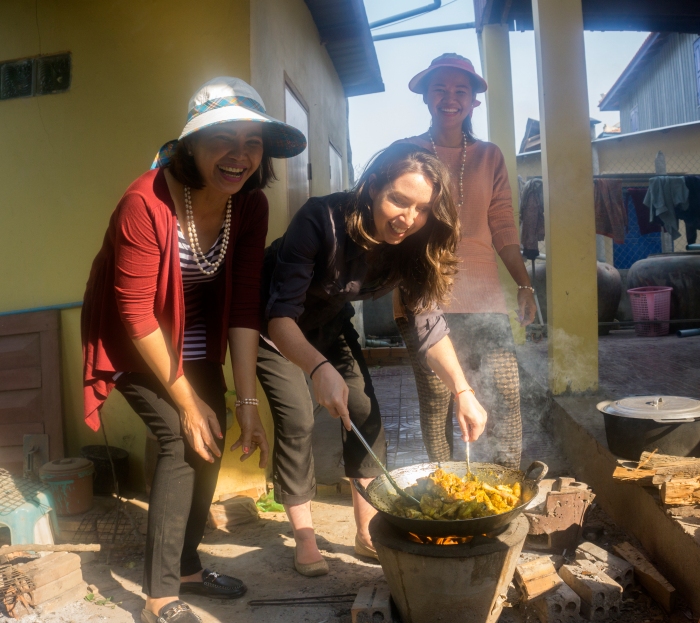
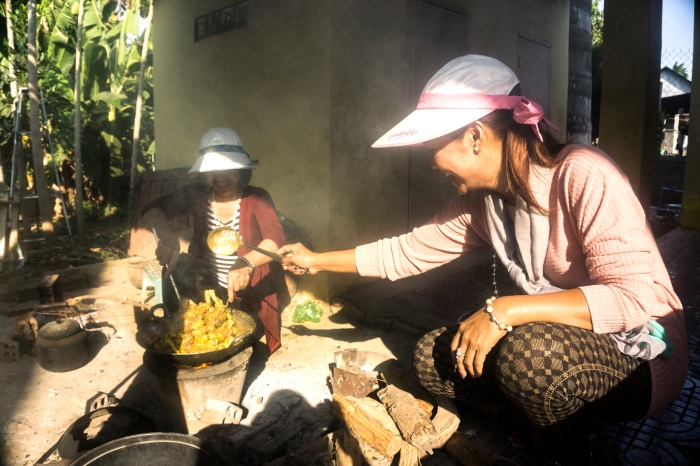
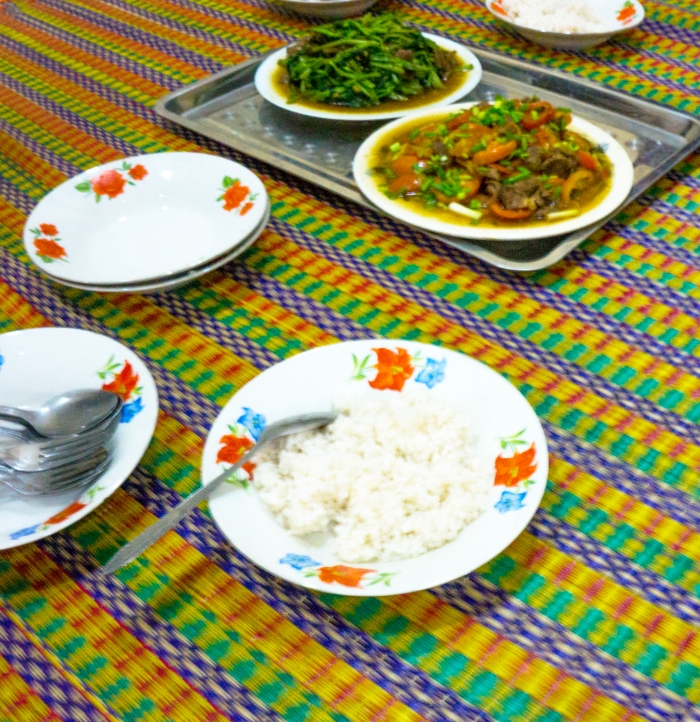
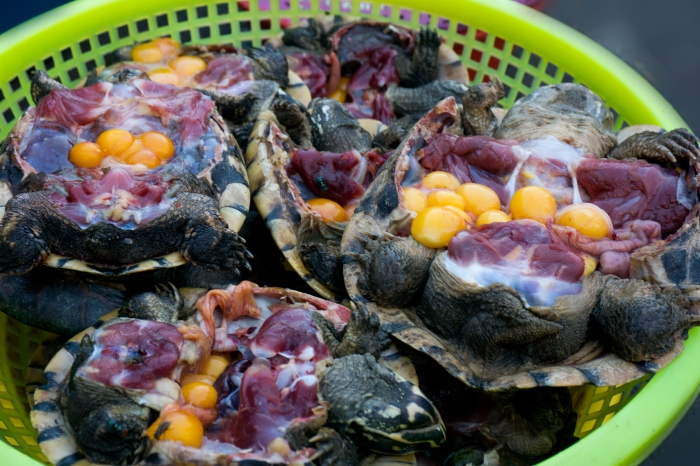
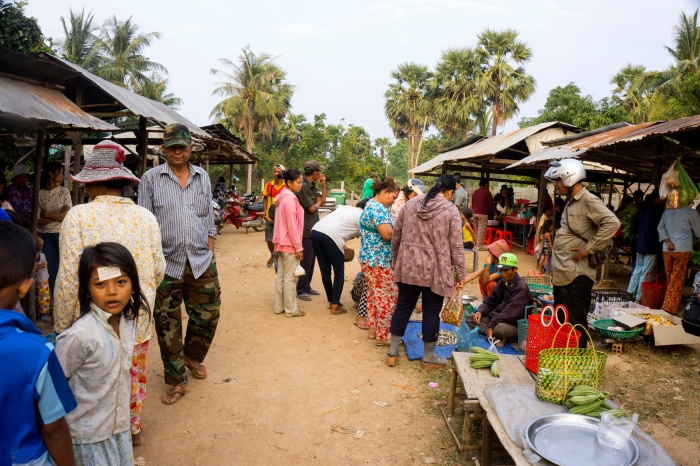
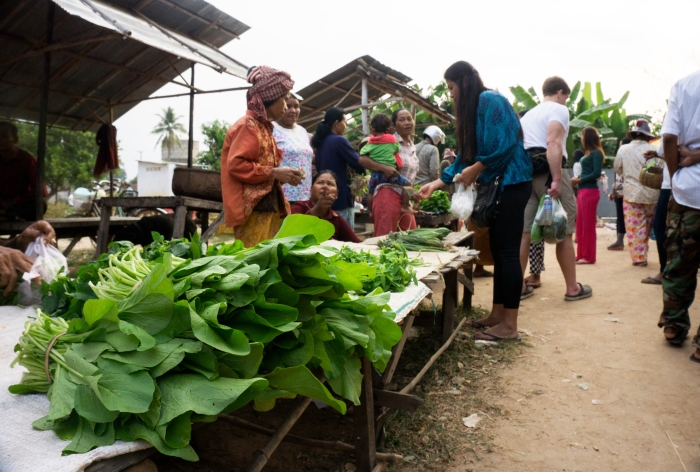
Cambodian markets are full of fresh organic produce. I spot a few products that you wouldn’t typically see in a U.S. market, such as snake and turtle eggs. I try sweet palm juice and rice paper desserts, full of soybean with sugar and spices mixed together to sprinkle on top.
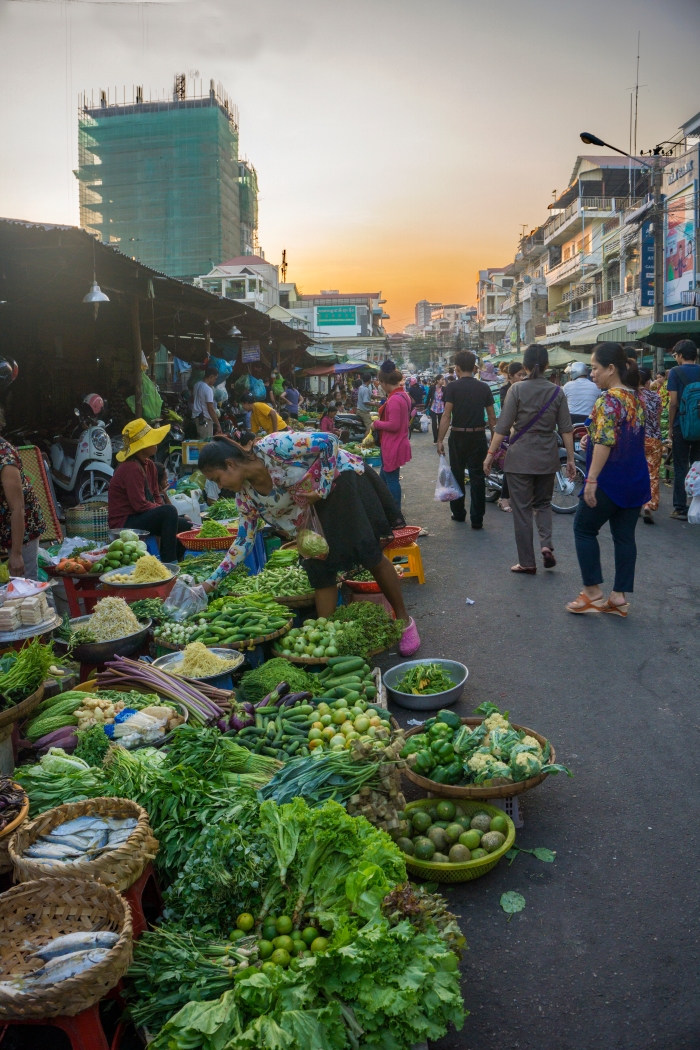

When traveling in Cambodia, get out and try new foods. There is something for every taste bud. Keep your eye out for roadside fruit trees. Some great fruits to try are mangosteen, lychee, jackfruit, longan, and rambutan.
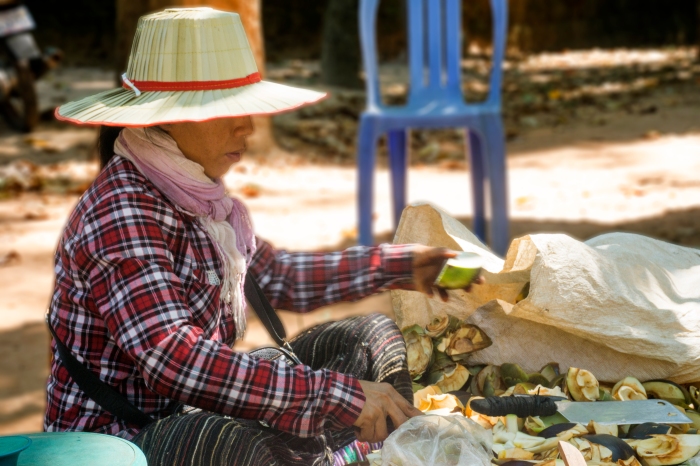
Take time to watch as fruit is being cut in front of you. I was shocked at how much work went into cutting some of the fruit. It reaped little reward for the work put in. By taking time to interact with locals you may gain a better understanding of Cambodian daily life.
With fertile land, you can find a variety of tropical plants to incorporate into your travel diet in Cambodia. Rice is a staple food at most meals. If you’re dining at a restaurant, try Khmer speciality dishes, such as rice porridge, Amok trey, and Lok Lak. Top off the meal with Kampot pepper, derived from Kampot province, which has been grown in Cambodia since at least the 13th century.
What’s your favorite Southeast Asian meal?
 Travels With Alison